Roman al Taglio
Roman al Taglio
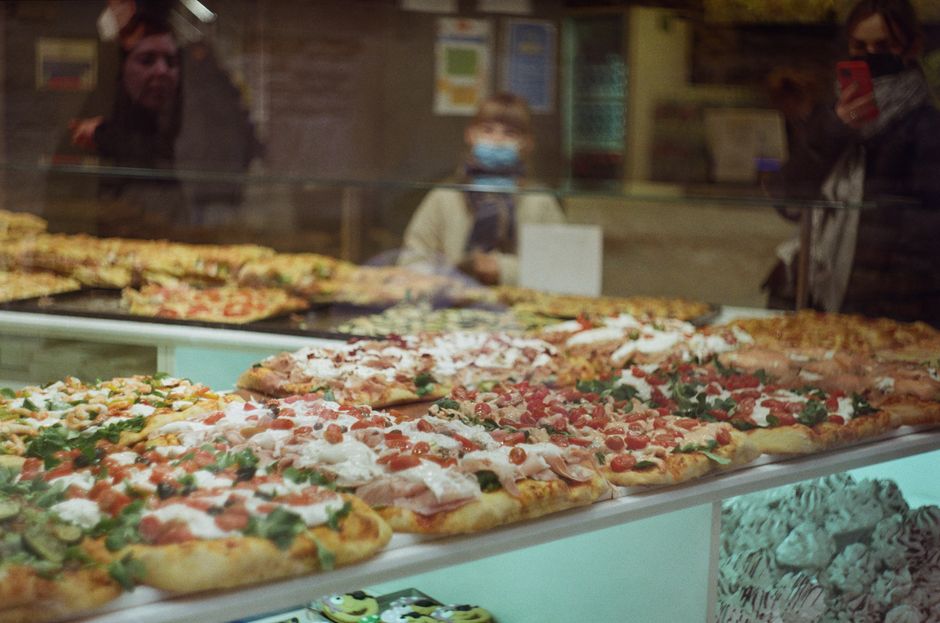
Rome's pizza by the cut — a slow, very wet dough baked in sheets, light and crackly with a custardy interior.
Recipes · 9
No-Knead Pan Focaccia
A very wet, no-knead focaccia at 75% hydration that needs only a brief room-temperature rest before a 36-to-48-hour cold ferment, then bakes in a generously oiled pan for a crisp, airy result.
Schiacciata all'Uva (Grape Focaccia)
A sweet harvest focaccia at 70% hydration on a mostly all-purpose, partly whole-wheat dough, cold-fermented three days, studded with grapes and finished with olive oil, rosemary and sugar.
Pizza in Teglia / Pala at 85% (Cold-Fermented, Double Hydration)
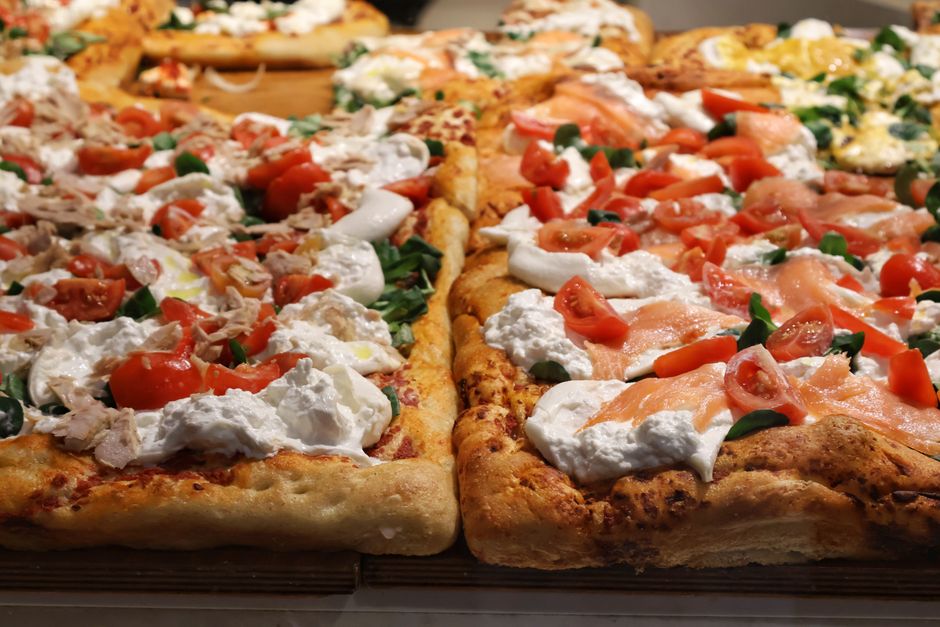
One 85% hydration dough taken two ways, teglia and pala, on a 12% protein flour with a short autolyse, double-hydration mixing, an overnight cold ferment and a long room-temperature proof.

Four-Hour Pizza al Taglio with Instant Sourdough Yeast
A same-day Roman al taglio at 85% hydration on high-gluten flour, leavened with instant sourdough yeast and built with a flour-water soak plus a few stretch-and-folds for a surprisingly open crumb in about four hours.
Pizzarium-Style Pizza al Taglio on a Semolina Poolish
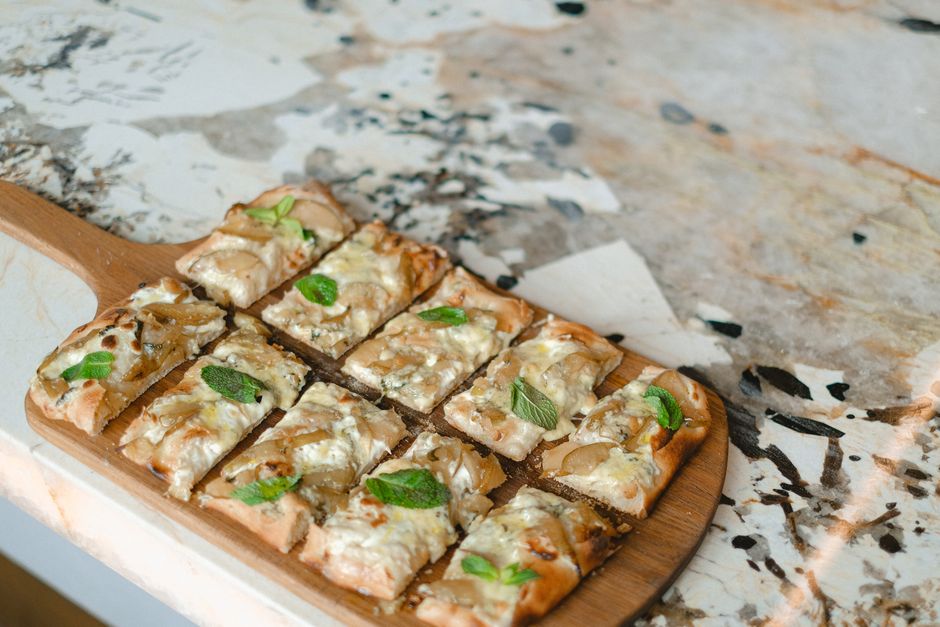
A very high-hydration Roman al taglio in the Pizzarium mold, built on an overnight semolina poolish blended into strong Manitoba flour, then repeatedly rested and folded to absorb the water and build a strong gluten.
Pizza alla Romana in Teglia (Durum & 00 Blend)
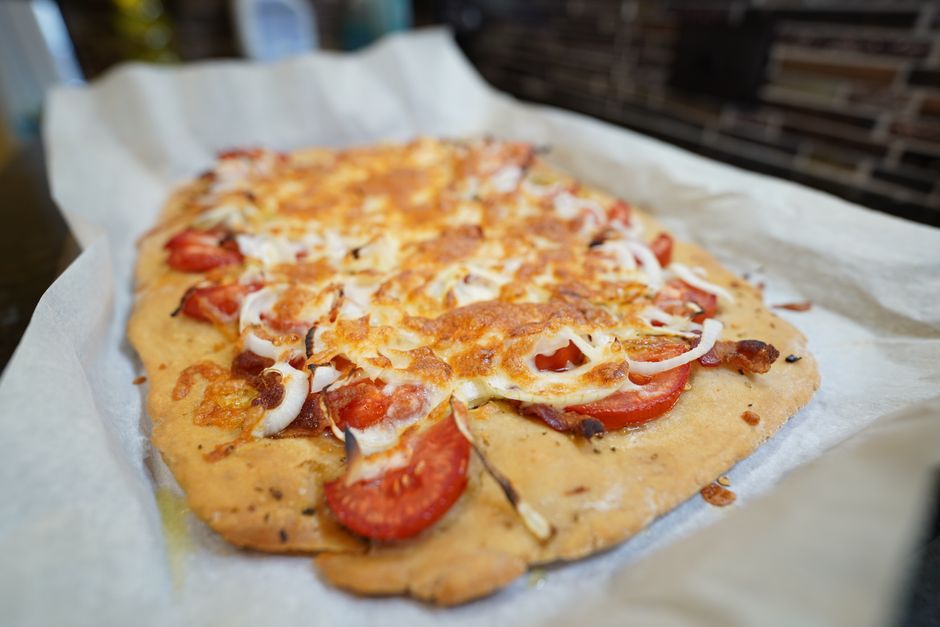
Bonci-style Roman pan pizza on a durum-semola and 00 flour blend at 75% hydration, leavened with a touch of fresh yeast and matured 48 hours cold for a crisp, open crumb.

Pinsa Romana on a Biga
Pinsa Romana built on a 24-hour biga — a light, crackly, oval pala with a very open crumb. Total hydration lands around 80%.

Pizza in Teglia at 85%
Pizza in teglia at a bold 85% hydration — an autolyse, a slow stretch-up to full hydration, and ~20 hours of cold ferment for a tall, open, custardy crumb.
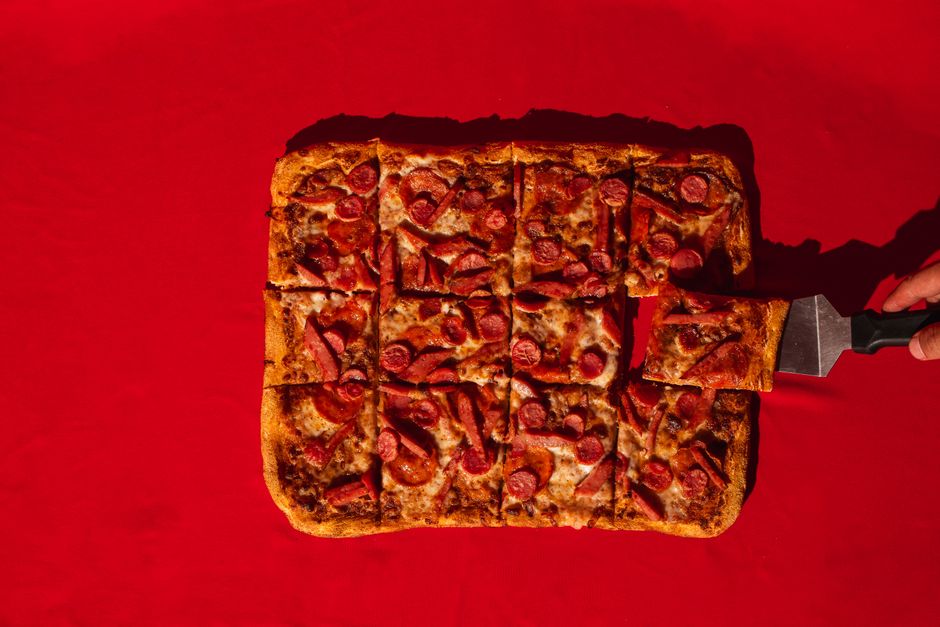
Bonci Roman Sheet Dough
Gabriele Bonci's airy Roman sheet dough at 80% hydration with 4% olive oil and a long 24–72-hour cold ferment.