Crisceto Neapolitan Naturally-Leavened Dough
Marco Parente's canonical Naples method for pizza raised on a wild-yeast culture ("crisceto") instead of commercial yeast, using just 1-5% culture against the water at roughly 63% hydration. The culture is first built into a refreshed mother dough, then a long room-temperature rise develops a deep, non-yeasty flavor.
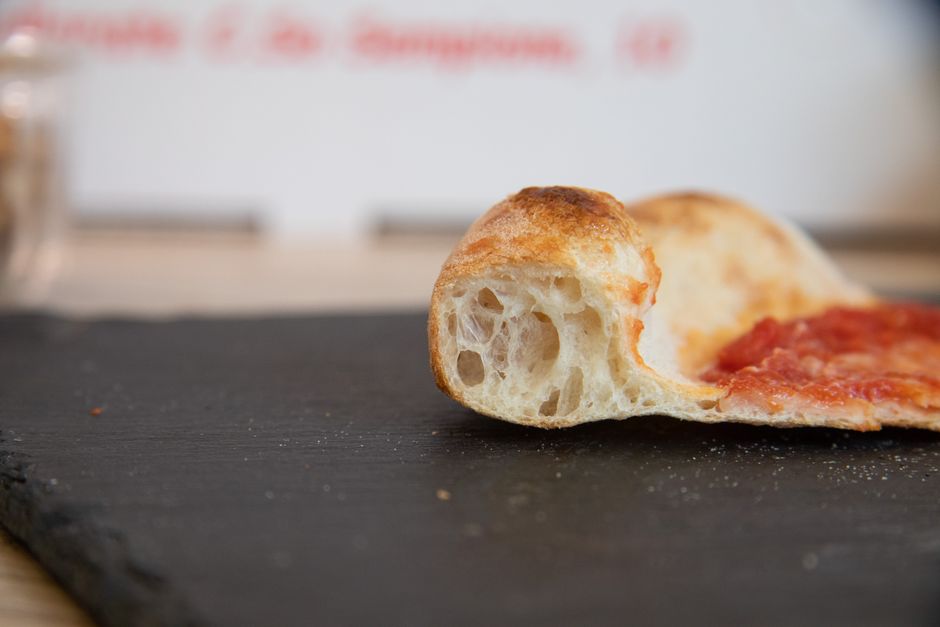
Marco Parente's canonical Naples method for pizza raised on a wild-yeast culture ("crisceto") instead of commercial yeast, using just 1-5% culture against the water at roughly 63% hydration. The culture is first built into a refreshed mother dough, then a long room-temperature rise develops a deep, non-yeasty flavor.
Ingredients
Method
Build a mother dough by mixing the active culture with equal weights of flour and water until smooth. Let it ferment 3 to 6 hours at room temperature until lively, then cut off the small piece you need for the final dough.
Dissolve the salt in the water, then disperse the small piece of refreshed crisceto into the water.
Add the flour and mix to a cohesive, fairly wet dough. Knead until smooth, keeping the dough soft.
Every edit is kept, so the story of this dish stays whole — from the first time it was saved to the version on your screen now.
See the family tree